Note: I originally wrote this article for a Japanese climbing magazine with a few adjustments hoping to do justice to the place and the Chilean climbing community.
‘Western ways, which attempt to conquer rather than commune with the forces of nature, lead inevitably to a schizophrenic split between man and nature’
(Daniel Reid)
‘Much of the beauty derived from the many things that were not there – those every day uglinesses unthinkingly accepted by city dwellers’
(Richard Parry)
‘Freedom is found in questioning everything we have learned. Why do we do everything we do? Why is one thing good and another bad? Asleep we are sheep of a flock that follow the same direction on automatic pilot, sometimes we repress ourselves due to infinite judgments, but self-knowledge is freedom, the feeling of freedom connects us with our wild side, but also with our soul, radiating something, waking something, feeling pleasure and also pain, fear, learning, but freedom, freedom to choose what I want and choose what I want implies being honest with oneself ‘
(Francia Moreno)
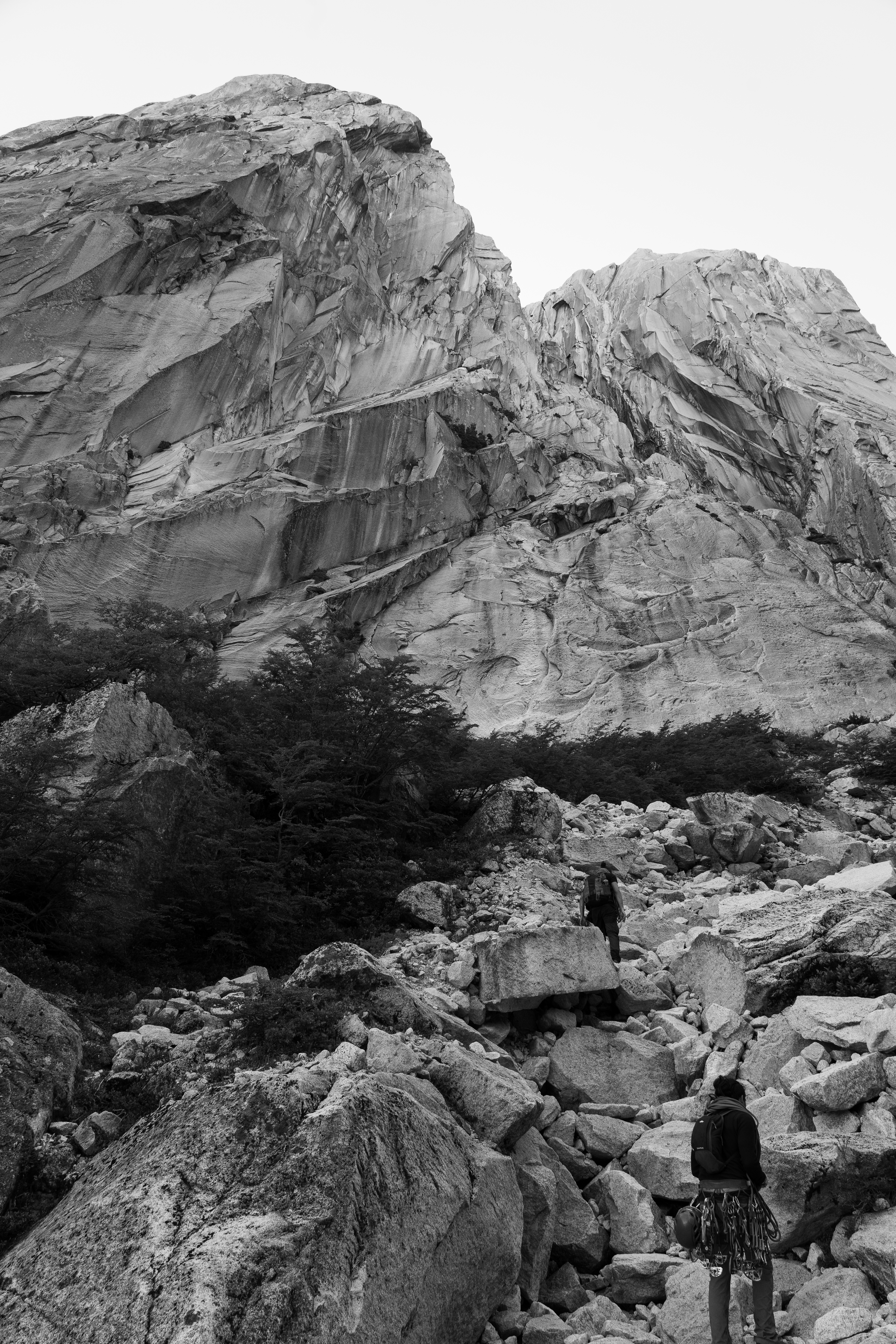
Summer season in Patagonia is magical. Whether you are a boulderer, sport climber, big-waller, alpinist or mountaineer there is infinite potential throughout an incredible range of diverse environments. Being in the southern hemisphere the warmer temps arrive as Japan is cooling down. This season has, however, been a peculiar one with the Covid pandemic raging chaos on everyone’s life and plans. It was with some twists of fortune that I ended up spending the majority of the season in Cochamó Valley. This would be my third and by far the longest visit to the majestic valley. Often called the Yosemite of South America, Cochamó is truly a climber’s paradise.
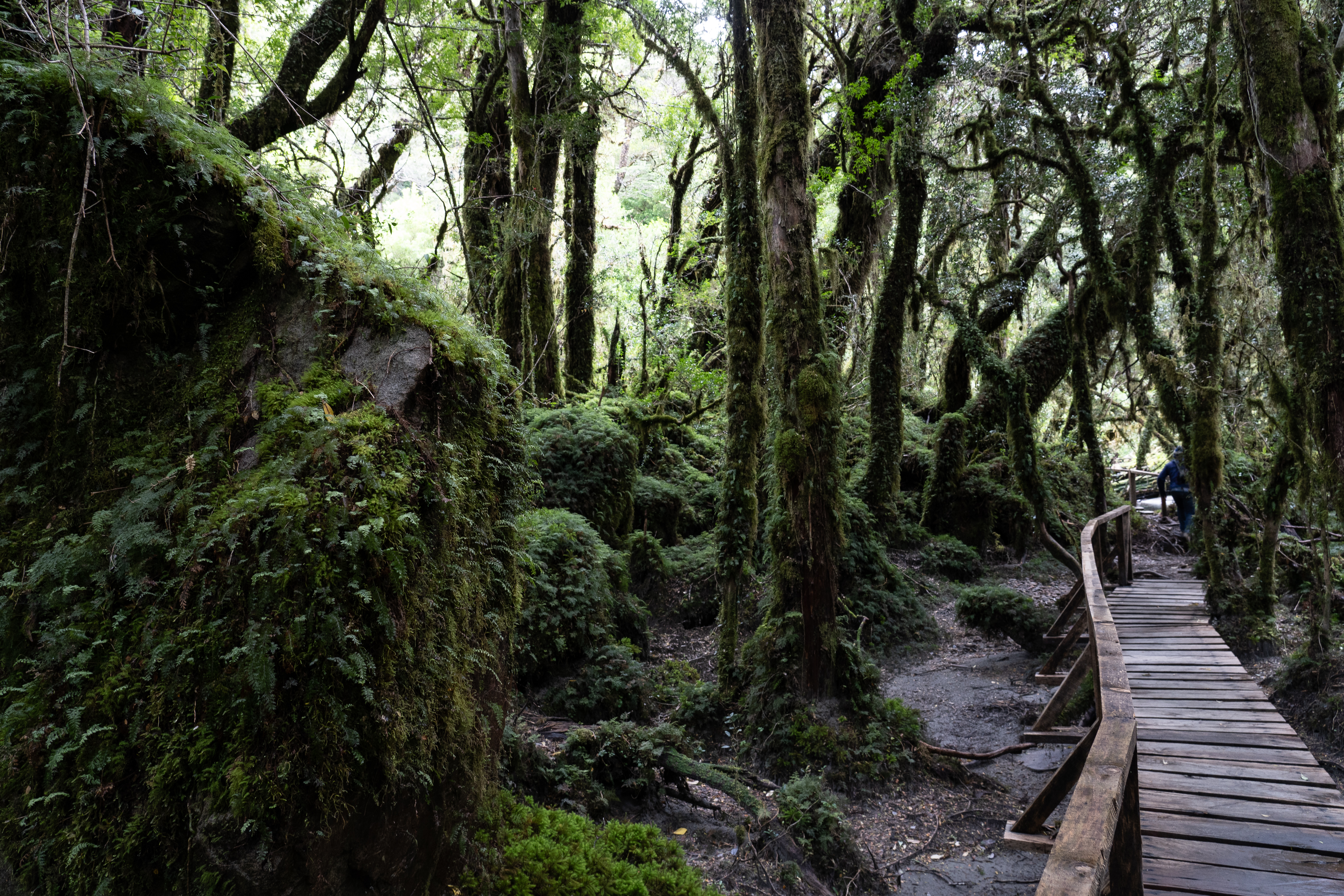
The first time I came to Cochamó two years ago, we arrived late in the afternoon at the base of the path that winds up to the valley camp. My friends and I spent that evening watching Princess Mononoke (in the original Japanese with Spanish subtitles). Chileans, and Latinos in general, love anime and of all the Studio Ghibli films this one is by far the most popular. The story, the characters, the action scenes, the pre-industrial Japanese landscape vividly portrayed and the music comes together beautifully to produce one of Japan’s best cultural exports in modern times. However, what resounds with my soul are the gorgeously portrayed scenes of ancient untouched forests that produce an ancestral, nostalgic yearning in the heart. To many cosmopolitans living in today’s concrete jungles these scenes produce pangs of sadness at the lost prehistoric past of the natural world; a world that seems lost forever.
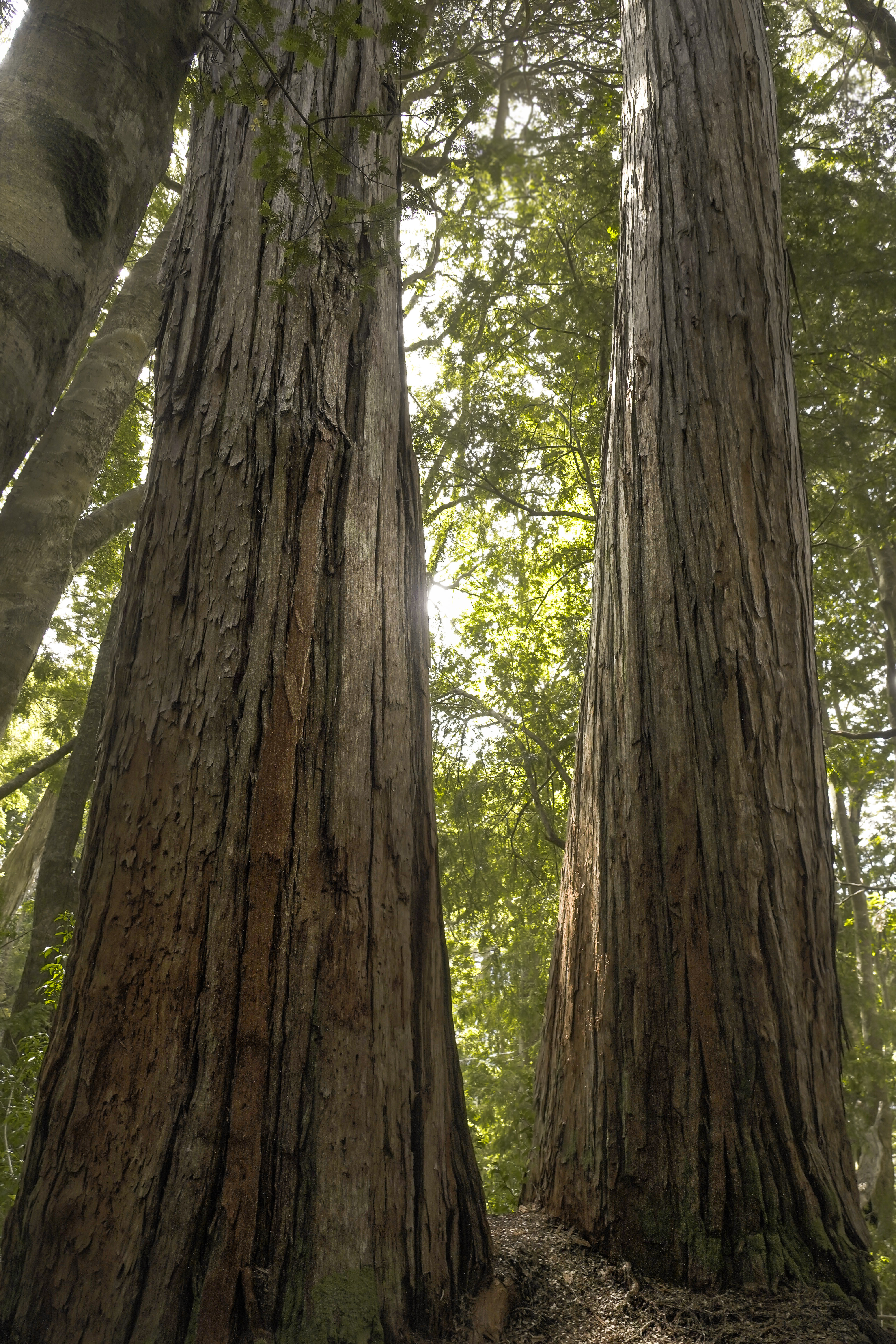
Photo: Antar Machado
From that first time I hiked up the 13km trail through the forest, I have been continuously awestruck by this valley’s old growth forest. Many of the scenes of Princess Mononoke seemed to materialize in the present time, and the great variety of plants and animals are a delight for those with an appreciation for nature in its unaltered form. This valley forest in itself in unspeakably beautiful but what attracts more and more local tourists every year and makes it a paradise for climbers are the giant granite walls rising out of the forests. As you clamber up the trail weighed down with gear and food (there are local cowboys or ‘arrieros’ who provide porter services) you catch glimpses of the first walls through the trees until you arrive at a large flat clearing from which the majestic walls are visible all around. This is La Junta, a junction point where Argentinean and Chilean gauchos used to meet to trade goods. Today it serves mainly as privately owned camping grounds.
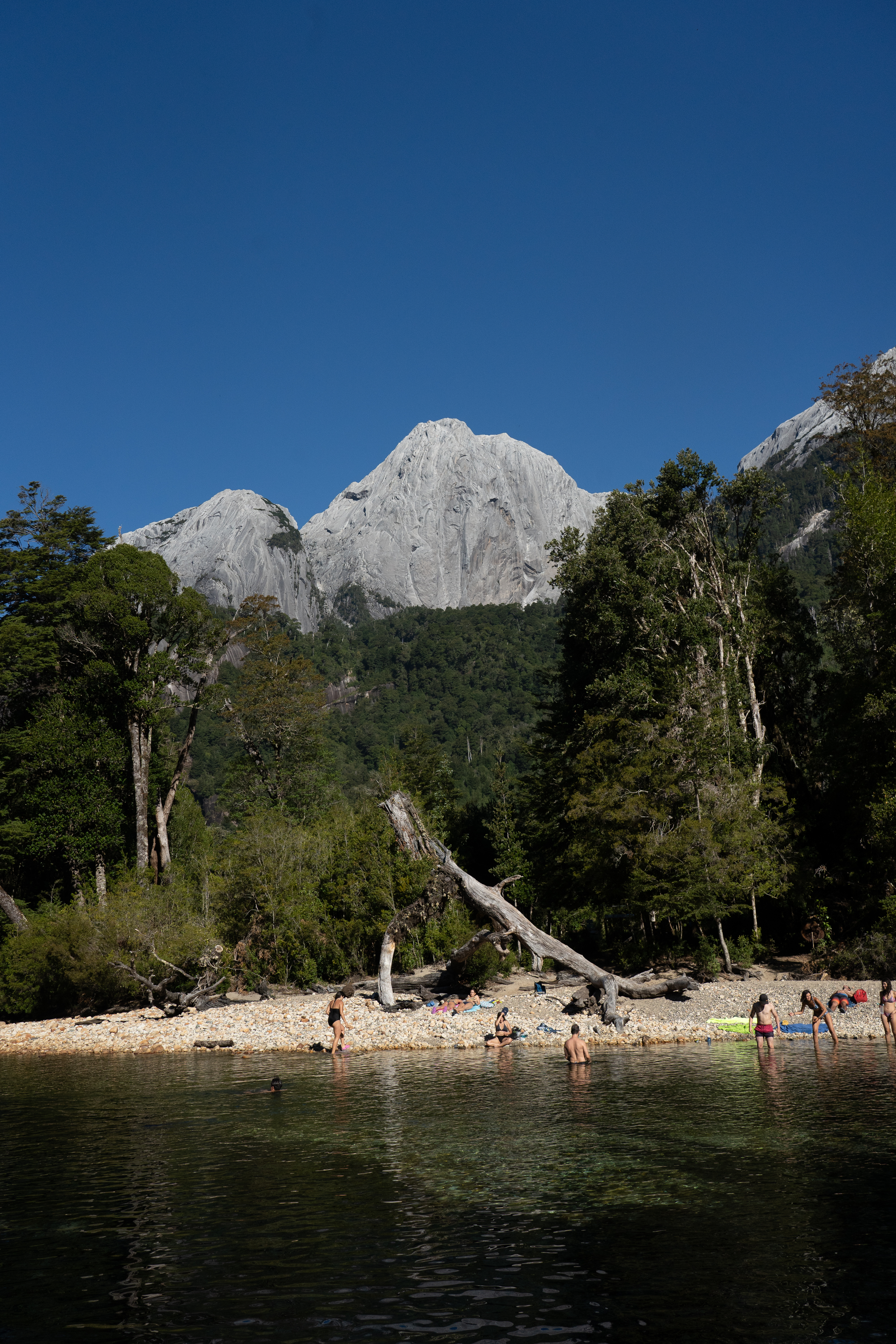
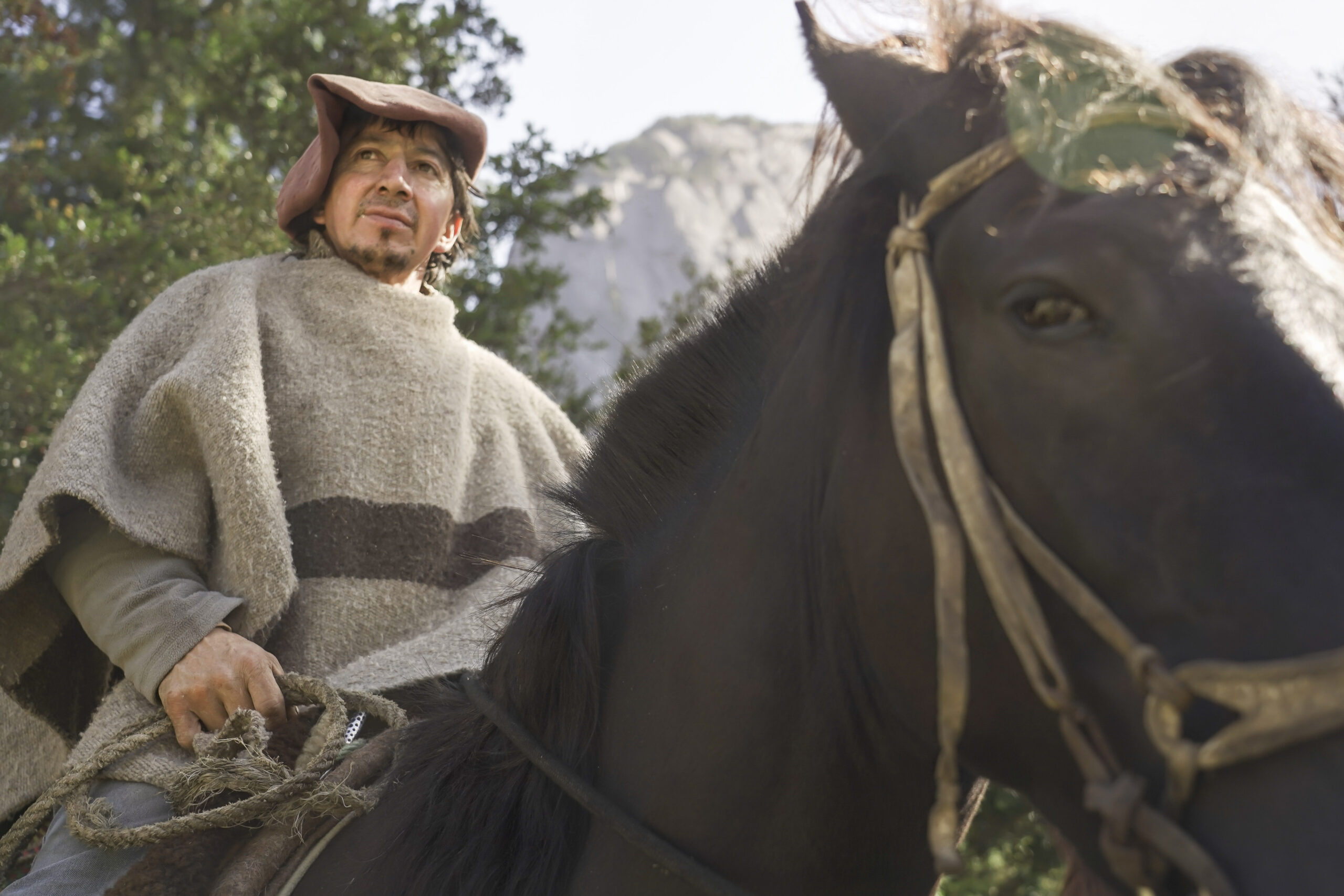
Photo: Antar Machado
Cochamo valley, as with much of Chile, is not a national nature reserve but territory split by various land owners, all with their own interests. Prices for camping here are decidedly expensive and every year brings new stories of conflicts of interests. For the Chilean climbing community, many of whom believe that the valley should be a national park, these prices and conflicting proposals are prohibitive. Much of the conflicting interests in the valley are seen as attempts by those with land to line their pockets and potentially threaten the ecosystem with various exploitative project proposals. So as is typical of the Chilean (and generally Latin) attitude, they rebel against them.
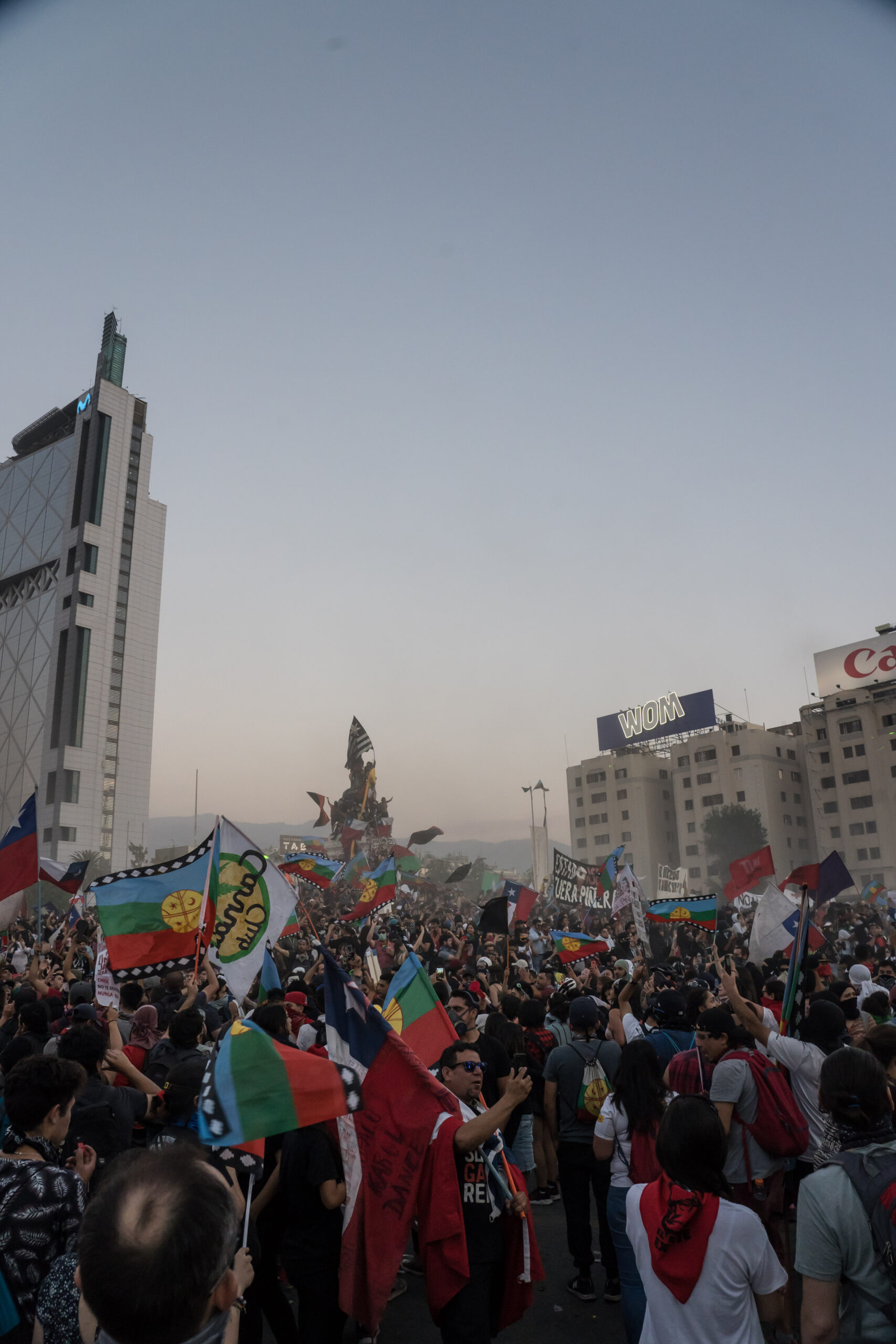
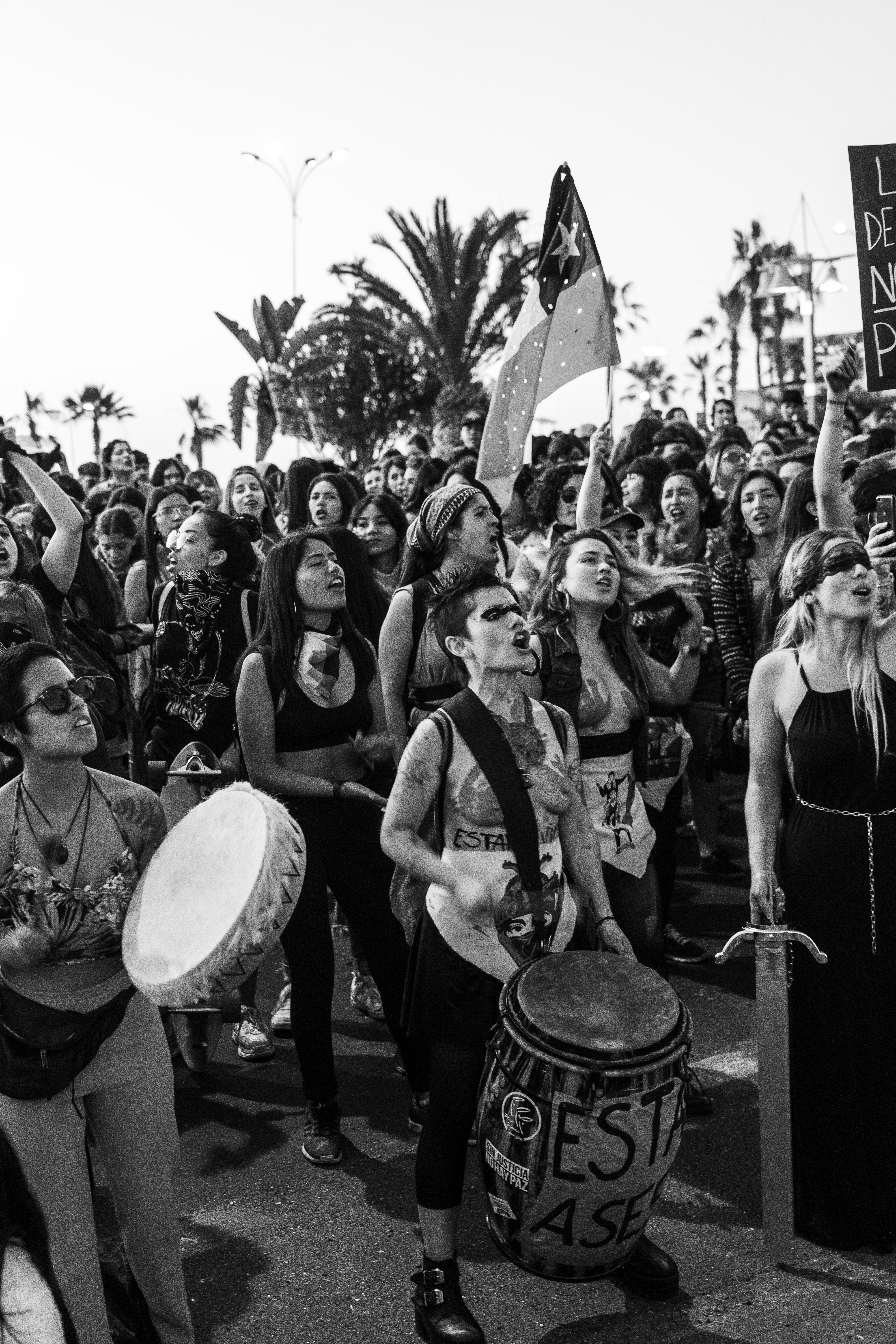
To explain the Chilean climbing community briefly it is necessary to give some sociopolitical context. As with most other Latin American countries, Chile throughout the last century has undergone a succession of left-wing movements, military dictatorship, and American interventionism with its associated repressions. As a result, those in power are seen with often justified suspicion by the mass whom are represented as the ‘Pueblo’ or the town-folk. This has cultivated a rebellious culture all the more alive today due to aggressive right-wing government repressions and longstanding policies benefitting those with capital (the upper class) at the expense of the Pueblo and the environment. Institutional authority figures are seen as corrupt and abusive of their powers. In response the Pueblo has developed a rebellious culture and any attempt of authorities to impose themselves is resisted.
So back to the valley floor. The scene is not too unlike the well documented Yosemite dirt-bag hippie scene of Camp 4 back in the golden days of the 70s. The Chilean climbing community (in particular the trad climbing community) is still relatively small so most climbers are familiar with each other. A few climbers pay for camping. The majority gather together in the forest in a non-paying self-styled ‘resistance’.
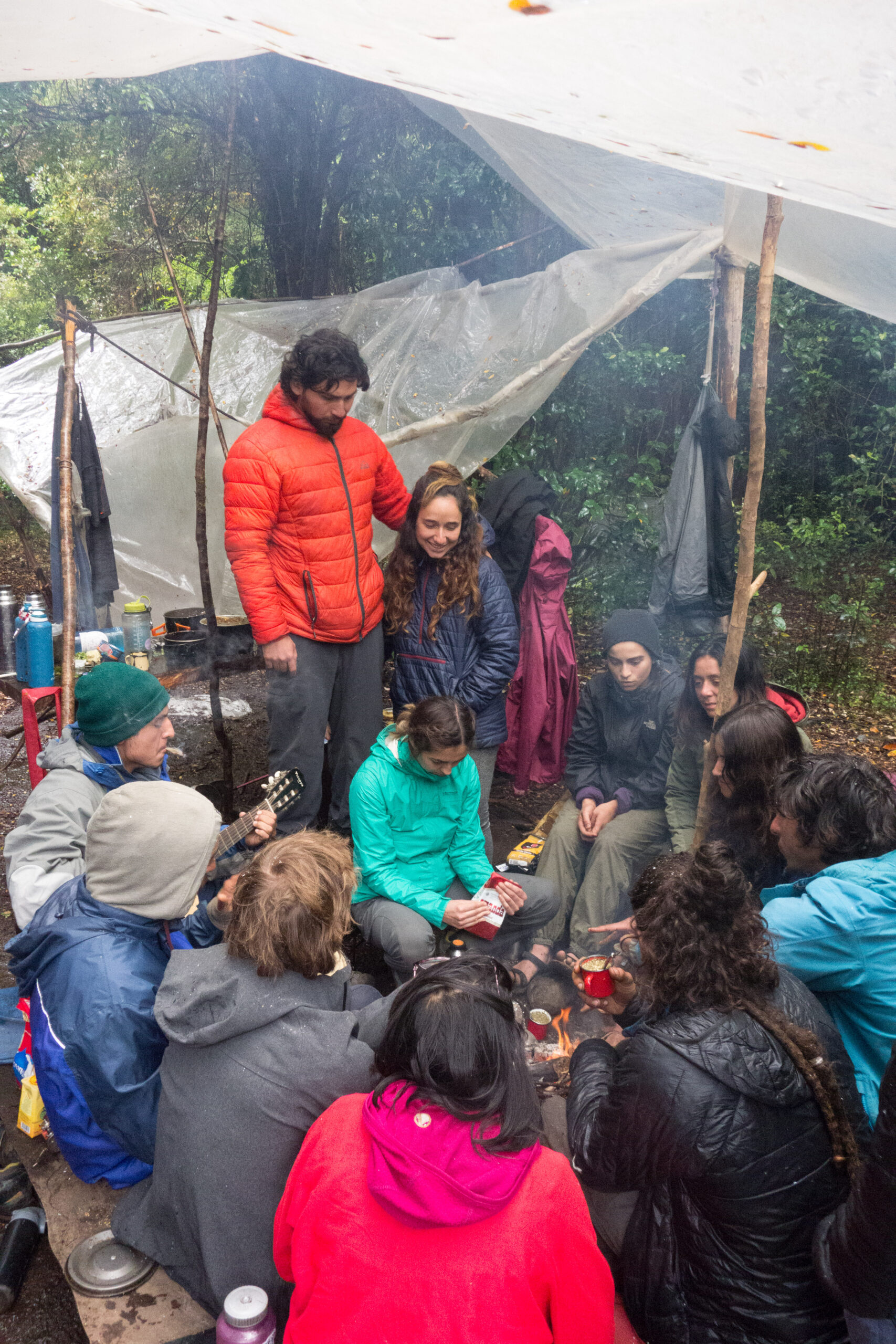
Rest days, rainy days, and waiting-for-the-walls-to-dry days are spent leisurely by the communal fire typically making bread and pizza, drinking a lot of mate (a traditional strong pungent tea), smoking a lot of weed, trading stories of previous climbs, planning and exchanging beta for future attempts, joking, and a lot of music (we had a guitar and a drum) and singing. The crystal clear water of the river is pure glacial melt-water that provides delicious drinking and cooking water as well as cool baths. Sometimes we would go down to restock on food and things to sell to the tourists and other climbers to make some much needed side cash. Otherwise we would spend carefree days in the forest completely disconnected from the outside world and its ‘real-world’ problems.
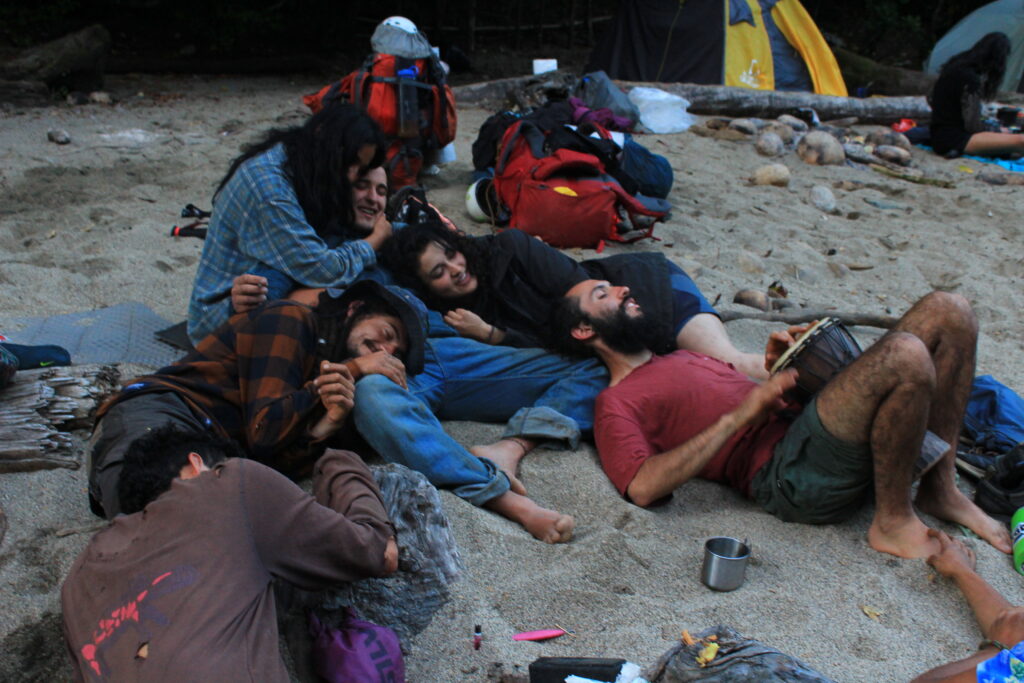
Photo: Hector
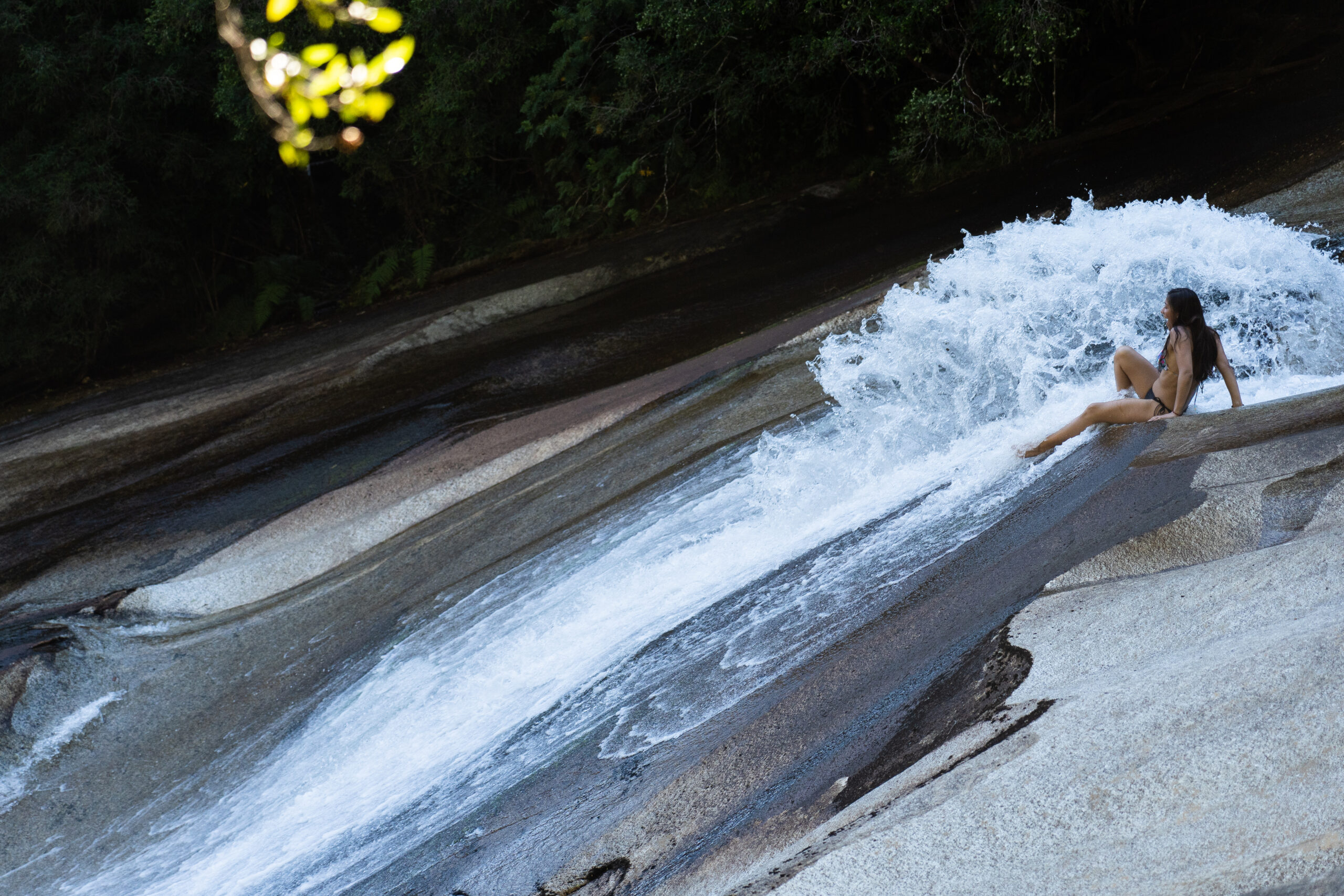
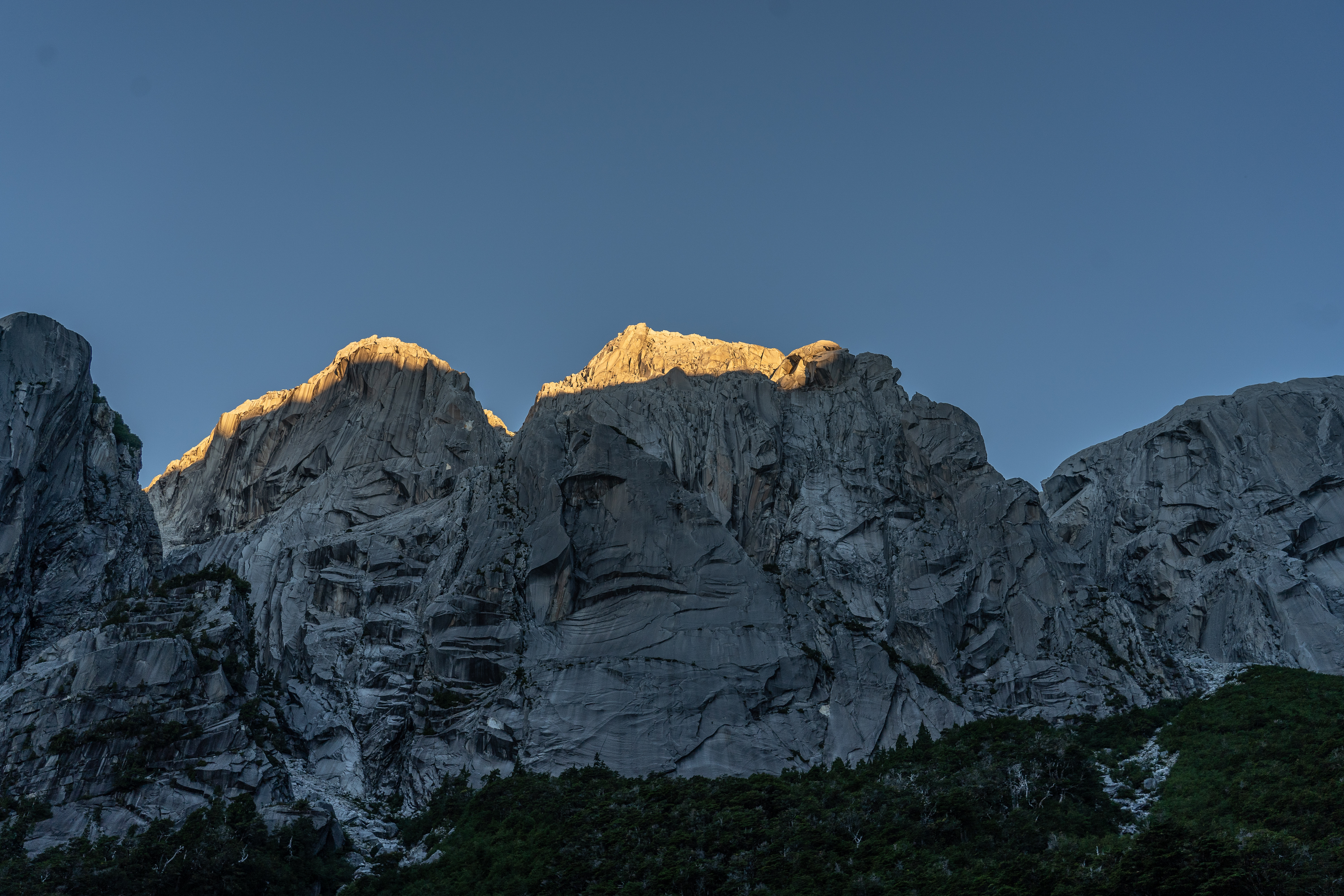
As soon as a weather window opens up, the climbers gather their gear, food supplies and other necessities and hike up to the base of their wall of choice. Unlike the notoriously terrible weather of El Chalten and Torres del Paine further in the south, the weather windows here are pretty decent and long. Although most years are defined by a lot of rain broken by 1 or 2 week windows, this season was unusually dry with more sunny days than not. There are several big walls to choose from with the largest and remotest wall reaching 1600m in height from the base. The two most popular walls are the majestic Trinidad (1050m) and Anfiteatro (600+m) both of which are clearly visible from the camp grounds requiring roughly 2-3 hours of steep hiking to get to the base. The first routes here were established in the late 80s however those considered the most classic routes today were put up only a few years ago and there is plenty of potential for new routes (especially if one is willing to hike out to the less explored but equally majestic walls).

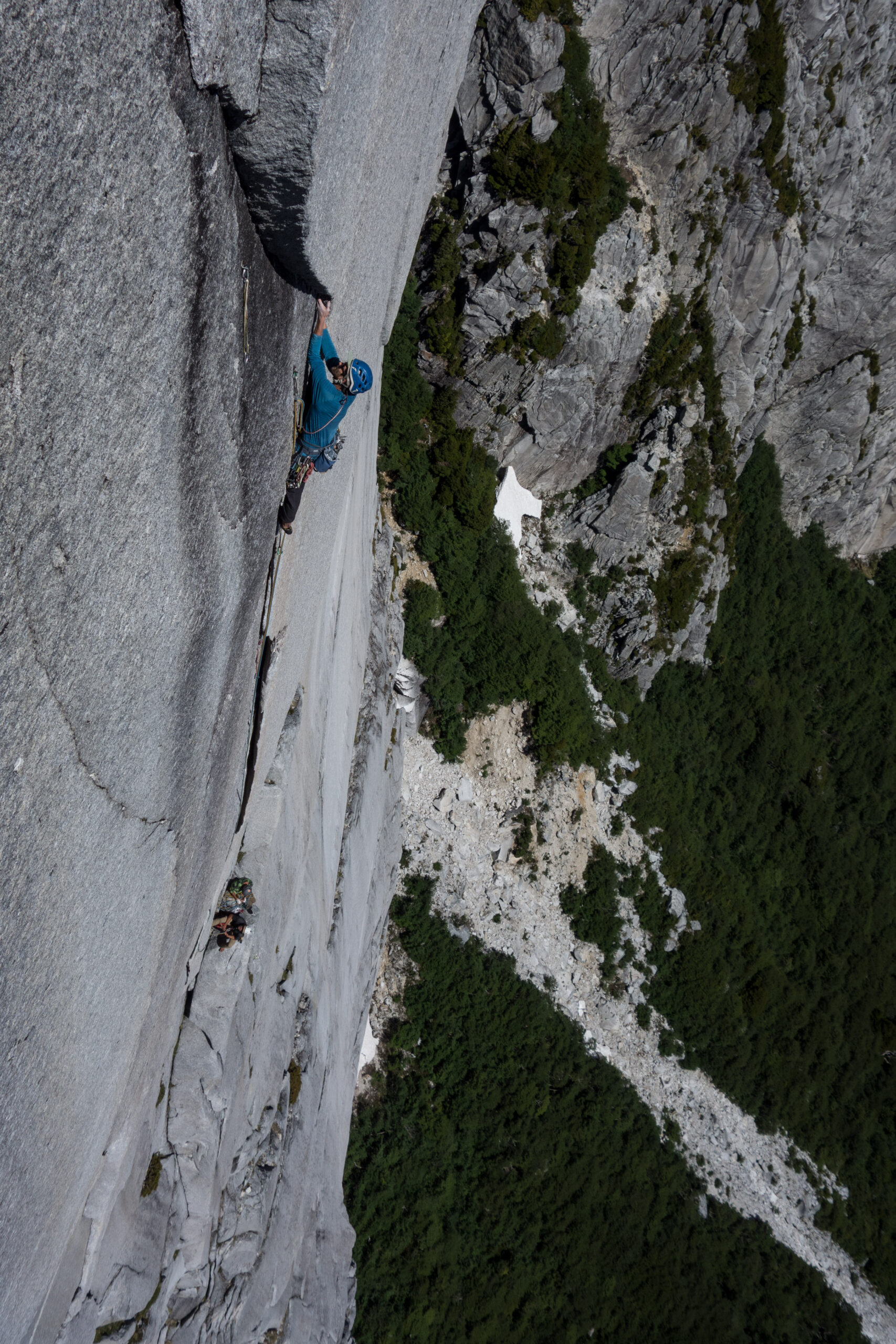
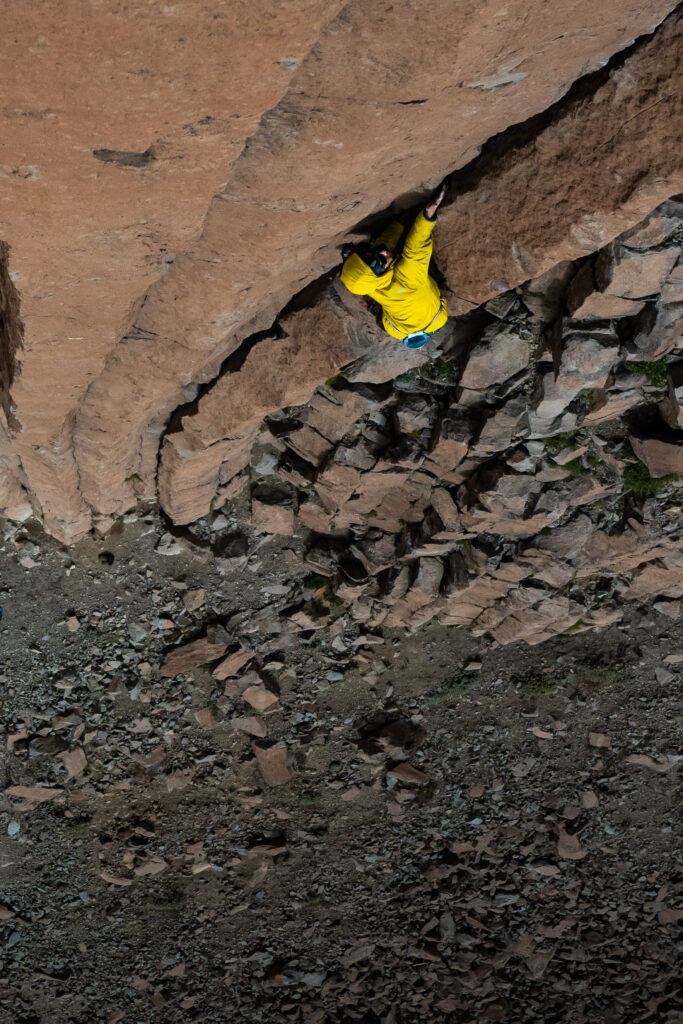
The style of climbing is mostly defined by systems of cracks interspersed with often blank looking sections of bolted slabs. From perfect hand splitters to heinous slimy chimneys, tricky micro-detail slabs to roof splitters, crystal caves to delightful hidden Narnia-like green gardens, the walls offer so much varied climbing, adventure and exposure. Hummingbirds hover for a delightful second next to your head, ‘tabanos’ (local horseflies) relentlessly pursue you up the walls like reverse vampires (they only appear when the sun hits), giant condors soar around you vibrating the air with their massive wingspans as they pass (these are the largest flying birds on the planet). The shouts of joy and screams of fear of friends on other routes echo across the valley. The views from the top are unforgettable with 360 degree views of the mountainous landscape as far as the eye can see. It truly is paradise here.
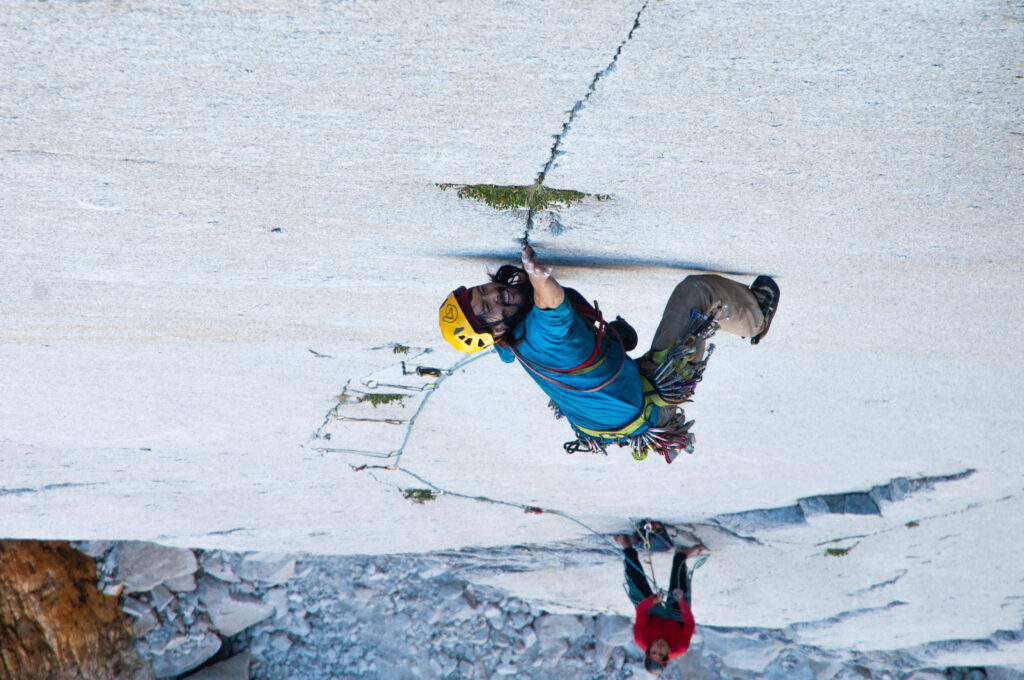
Photo: Benja Zamora
Days drift by, dates are no longer significant; only the changing weather and dwindling food supplies dictate our plans. By mid-March the body is aching, the mind just can’t get psyched up for another sketchy run-out, and the days are getting shorter and colder. The climbers begin to disperse and autumn makes its announcement with the flourishing of seasonal mushrooms. Getting back down to civilization is a shock to the system. Society and the behavior of people driven by misguided desires seem positively absurd. Being detached so long from the city, surrounded by open-minded people seeking peace and adventure, meditating in the forest, and reading choice philosophical texts expands the vision beyond the narrow scopes within which we pass our existence, never knowing better until we are exposed to experiences which makes us question our previous conceptions of what this life is.
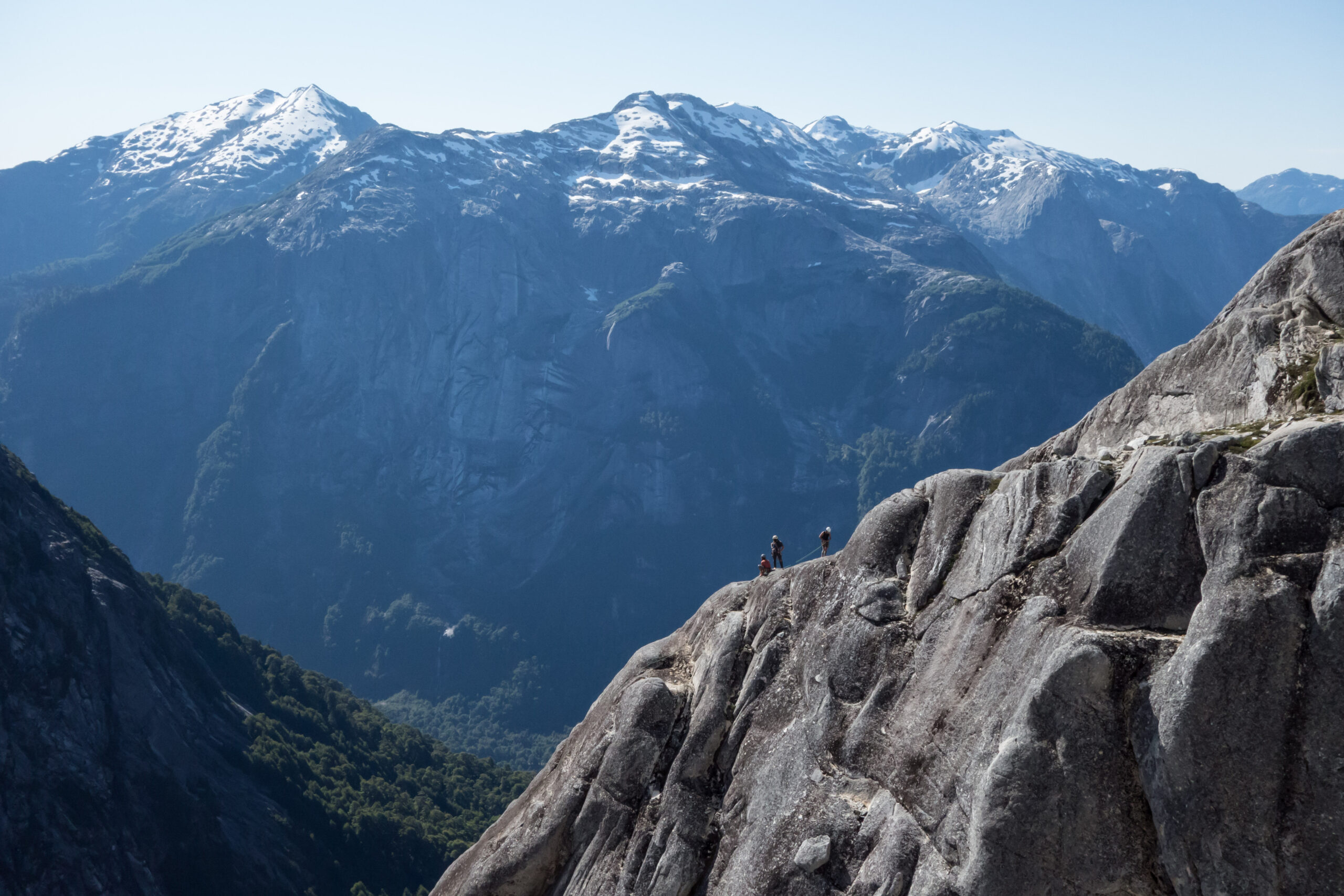
Today Cochamó Valley and many other pristine locations throughout Patagonia are under threat. Hydroelectric projects, potential road developments, conflicts of ownership and access, and too many visitors could potentially lead to limited access to select (affluent) groups or even complete closure to the public; not to mention the human impact on the ecosystem. The aforementioned community of climbers is often divided and despite their love of the open space and nature, not all climbers are stellar examples when it comes to taking care of those spaces. Many previously popular climbing areas have come under considerable stress and led to closures due to increasing numbers of climbers and disrespectful acts of selfishness at the expense of the rest of the community. Despite all this I am full of admiration and hope for this young generation of Chileans who are more aware and passionate of environmental issues than any other people I have met. Much of the future of these wild resources lies with the ongoing societal movements directed by the youth. I believe Patagonia is one of the last truly wild and pristine areas in the world and once it is exploited there is no recovering of what once was.

‘Slowly I began to win my fight against panic, but as I calmed, a flood of unwanted thoughts stormed my brain. Surprisingly, shame was perhaps . . .

